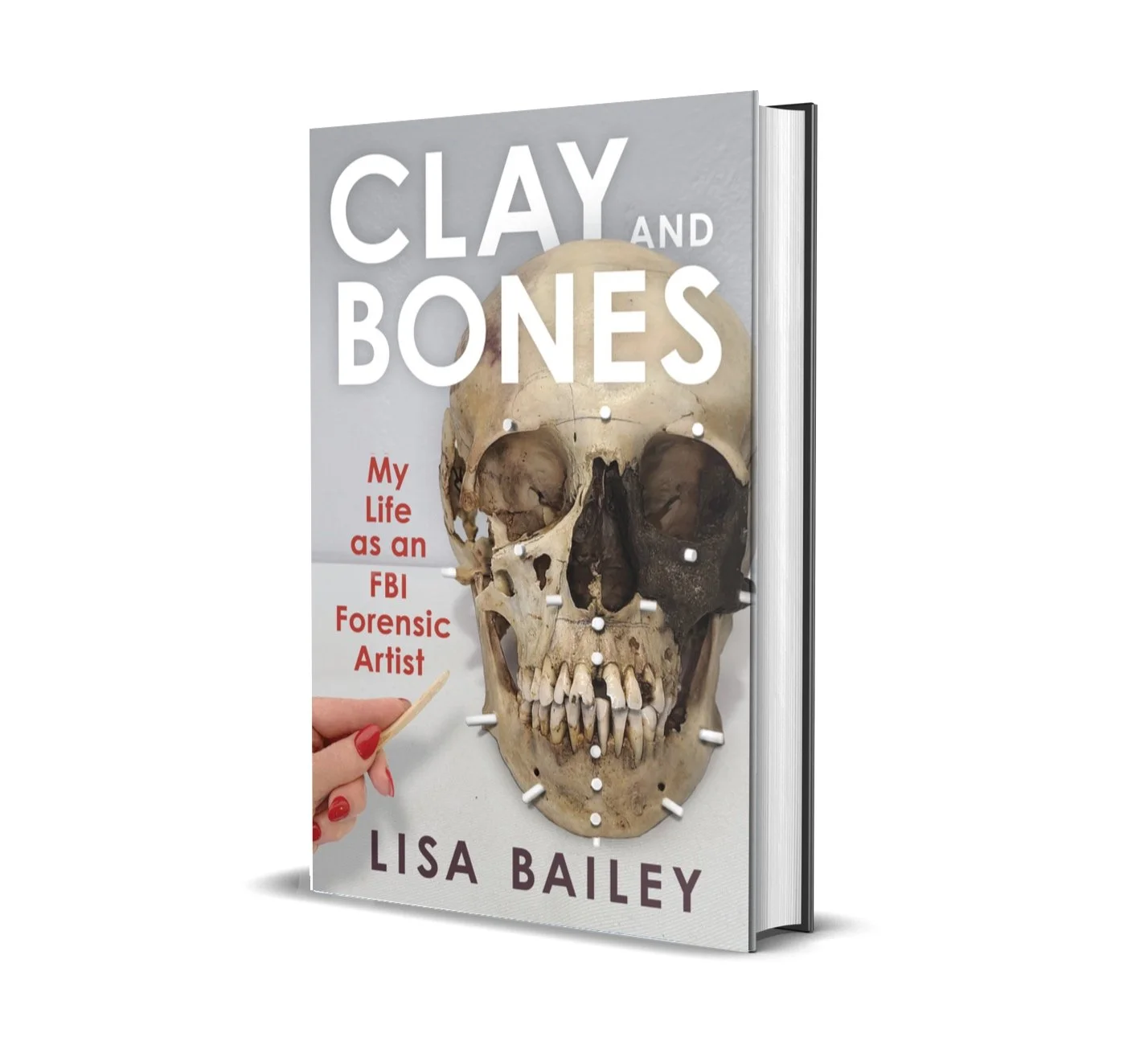
About the Book
Just two months after the September 11 terrorist attacks, Lisa Bailey began her career as an FBI forensic artist.
She threw herself into the work, and over the next eighteen years handled hundreds of cases: unidentified remains pulled from shallow graves, sexual assaults, acts of terrorism, and kidnappings. She became a recognized authority in facial approximation from the skull, witnessing firsthand how her sculptures could restore a victim’s identity and bring closure to grieving families.
But even in those early days, Bailey noticed cracks in the Bureau’s polished image. She’d heard stories of women who reported harassment or discrimination, only to find themselves quietly dismissed. She wanted to believe the rumors weren’t true…then it happened to her. Now, Bailey breaks her silence in this raw, eye-opening account.
She takes readers behind the scenes of the Bureau’s most haunting cases, from mass disasters to cold-case homicides, and exposes the hidden toll of a career inside one of the world’s most powerful law enforcement agencies.
She describes the painstaking art of restoring a face from an unknown victim’s skull, the profound relief of a confirmed identification, and the eerie reality of working among the dead at the University of Tennessee’s famed “Body Farm.”
Told with candor, grit, and dark humor, Clay and Bones offers a rare glimpse into the macabre yet meaningful world of forensic art, and the resilience of a woman who refused to be silenced by the very institution she served.
About the Author
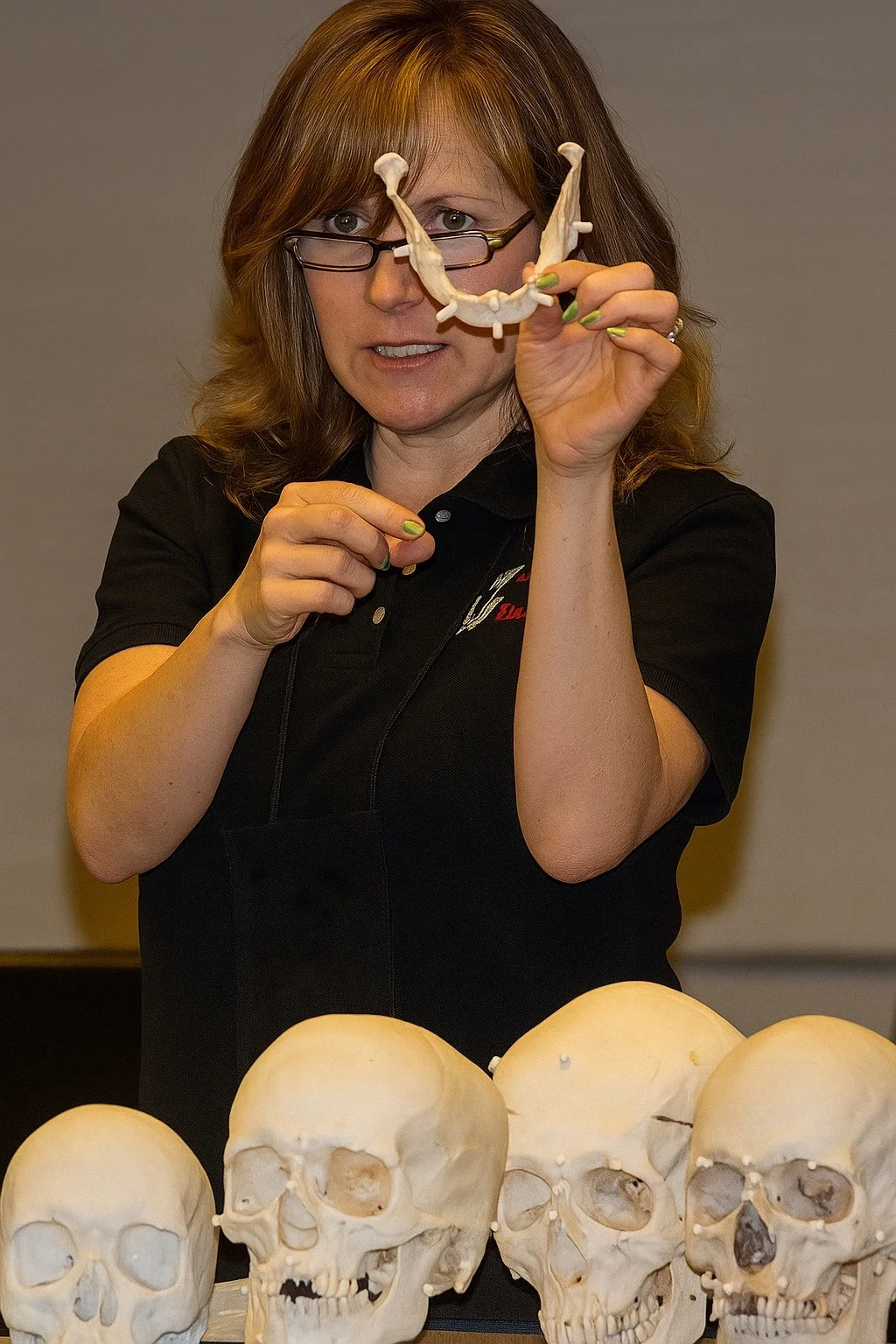
Lisa Bailey is a former FBI forensic artist who specialized in forensic facial approximation—the process of estimating an unidentified person’s face based on the shape and features of their skull. Over her 18-year career, she worked on hundreds of cases, including child abductions, homicides, sexual assaults, acts of terrorism, and fugitive investigations.
She served as an adjunct faculty member at the FBI Academy and as an instructor for the Bureau’s Forensic Facial Imaging course, training law enforcement professionals from around the world. Her work regularly brought her into high-level briefings with the CIA, Secret Service, and Defense Intelligence Agency, as well as with senior FBI leadership, including former directors Robert Mueller and James Comey.
Determined to root her discipline in the most current scientific research, Bailey conceived and initiated the first comprehensive forensic facial reference database by collecting digital scans of human skulls—paired with clear, high-quality life photographs of the donors—from the University of Tennessee’s “Body Farm.” This groundbreaking dataset became a vital tool for improving the accuracy and reliability of facial approximation.
Bailey has been featured prominently in major media outlets including The Washington Post, National Public Radio, Dateline NBC, America’s Most Wanted, and A&E’s Real Crime. She was regularly selected to represent the FBI’s forensic facial imaging program on the Bureau’s public website and social media platforms.
Before joining the FBI, Bailey served honorably in the U.S. Navy as a Russian linguist. She holds a degree in art from the University of Maryland in Baltimore and worked as a graphic artist at the Johns Hopkins University Applied Physics Laboratory.
Since retiring, she remains connected to the work that meant so much to her—continuing to teach, consult, and advocate for women’s rights in the workplace and the representation of women in STEM careers.